
Live from Antarctica 2.0 Coming on January 15th!
The popular online webinar featuring engineers and scientists from the Princess Elisabeth Antarctica returns for a second edition on January 15th!


For decades, Antarctica has been the home of science and an example for preservation governance. The International Polar Foundation heralded the return of Belgium on the continent with the first ever “zero emission” station: Princess Elisabeth Antarctica.
The popular online webinar featuring engineers and scientists from the Princess Elisabeth Antarctica returns for a second edition on January 15th!

Last week as the BELARE team rang in 2026, the PASPARTOUT project began its field campaign for this season, the ROMA and SnowFlux projects continued setting up instruments in the vicinity…

On December 19th, new crew members and scientists arrived at PEA to start their mission in Antarctica. Since their arrival, they’ve been doing mandatory safety training and preparing…
A time-lapse showing both Prinoths setting off along the long traverse, transporting teams and supplies across the Antarctic plateau.

With all mandatory training completed, scientists and BELARE crew members are embarking on field campaigns to carry out their planned research. On December 31st, Sarah Wouthy and field guide Sebastian…
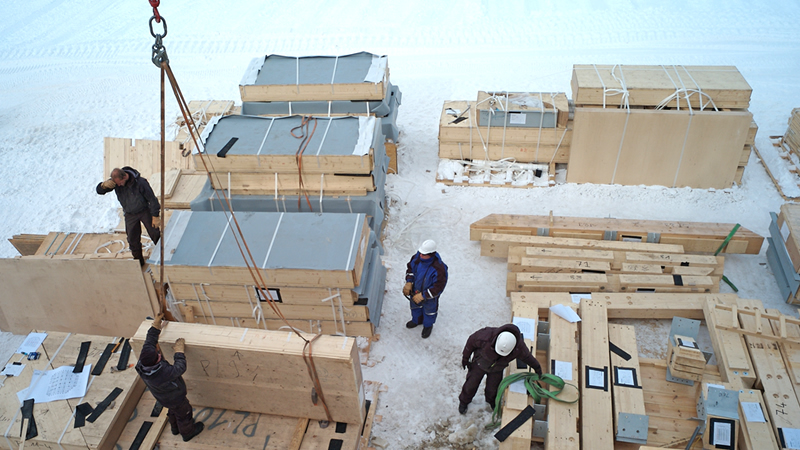
The design of the Princess Elisabeth Station goes well beyond the package. Every aspect of the station was worked and re-worked to minimize energy and material loss while optimizing performance and space.
Two seasons of building were needed for the Princess Elisabeth Station to become entirely operational and welcome its first scientists. From 2004 onwards, follow the history of the station as it unfolds.
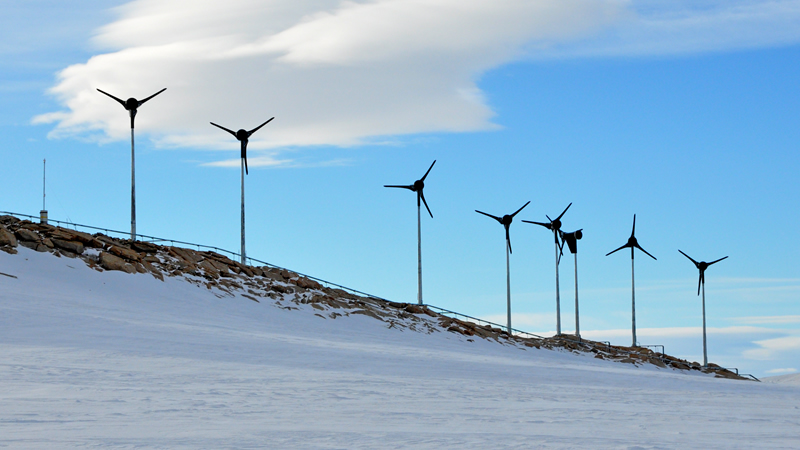
Princess Elisabeth Antarctica is a puzzle that took existing parts and reassembled them in an innovative way. As a prototype, the station is subjected to perpetual improvements to its efficiency, autonomy, and equipments.
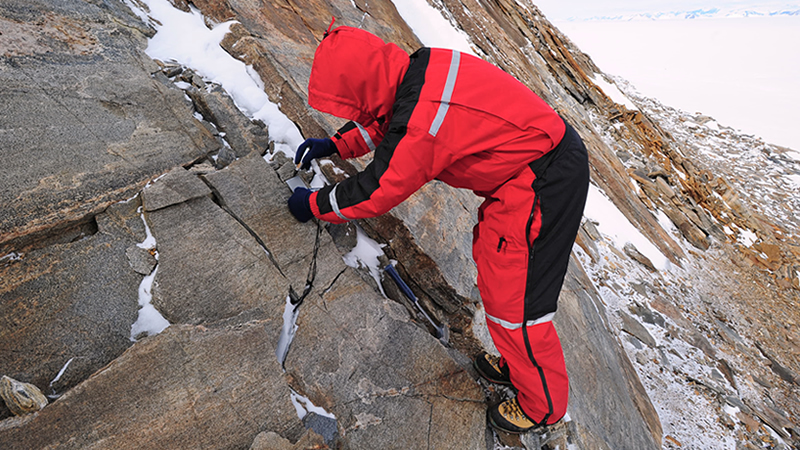
A new station in a vastly unexplored region of Antarctica, Princess Elisabeth Antarctica provides scientists with a wide variety of research environments and the necessary support to conduct their research in the best conditions.