Princess Elisabeth Antarctica

Princess Elisabeth Antarctica

For decades, Antarctica has been the home of science and an example for preservation governance. The International Polar Foundation heralded the return of Belgium on the continent with the first ever “zero emission” station: Princess Elisabeth Antarctica.

Latest News

  • The Ship Reaches the Coast - © IPF

    Busy Weeks Ahead as End of Season Approaches

    With the scientists and several crew members having returned home, the attention of the remaining thirteen team members at the station turns to the many tasks they must complete before…

  • Rainette Engberg from the EPFL in Switzerland poses with a sonic anemometer used in the SnowFlux project near the 30-metre tower at PEA. - © International Polar Foundation, Rainette Engberg (EPFL)

    A Successful Season for Scientists!

    After one month in Antarctica collecting samples and data at the Princess Elisabeth and in the field, the scientists who came to the station this season will be departing on…

News Archive

Latest Pictures and Videos

One Project, Multiple dimensions

image

Concept & Design

The design of the Princess Elisabeth Station goes well beyond the package. Every aspect of the station was worked and re-worked to minimize energy and material loss while optimizing performance and space.

Engineering work

image

The Construction

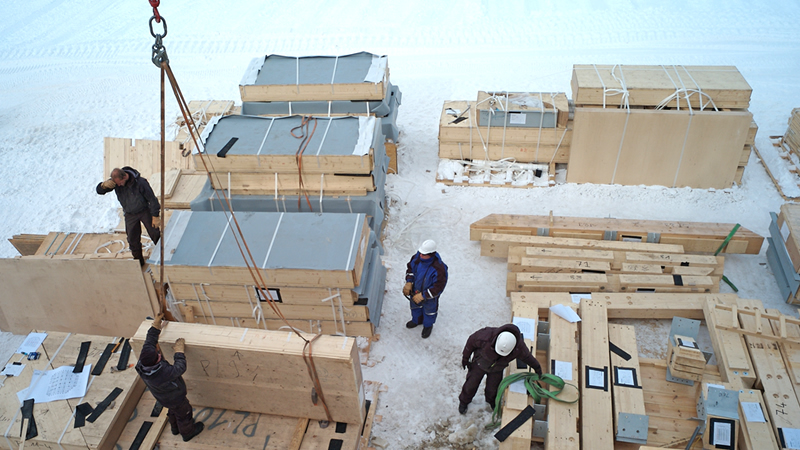
Two seasons of building were needed for the Princess Elisabeth Station to become entirely operational and welcome its first scientists. From 2004 onwards, follow the history of the station as it unfolds.

Construction steps

image

Zero Emission

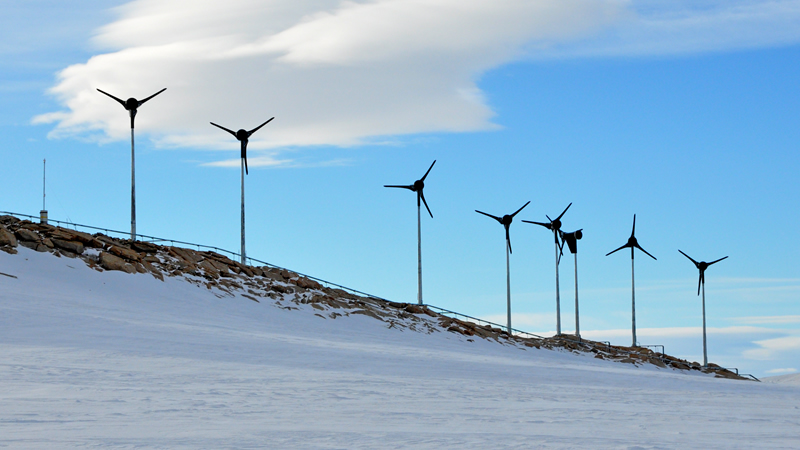
Princess Elisabeth Antarctica is a puzzle that took existing parts and reassembled them in an innovative way. As a prototype, the station is subjected to perpetual improvements to its efficiency, autonomy, and equipments.

Zero Emission Station

image

Polar Science

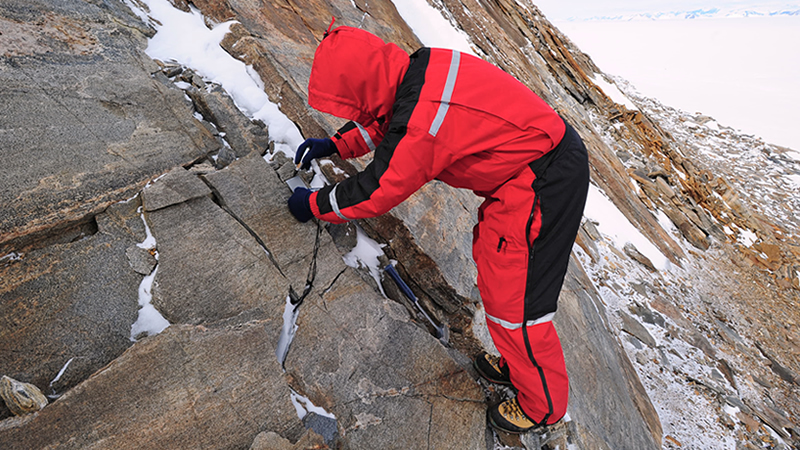
A new station in a vastly unexplored region of Antarctica, Princess Elisabeth Antarctica provides scientists with a wide variety of research environments and the necessary support to conduct their research in the best conditions.

Scientific projects